
Elevate Learning with a Stellar Educational Institution Website.
In the digital age, an educational institution's website is more than just an online presence; it's a dynamic platform that fosters learning, engagement, and community building. A well-crafted website not only showcases the institution's values and achievements but also serves as an essential tool for students, parents, faculty, and alumni. Here’s how to design and optimise an educational institution website that stands out and truly elevates the learning experience.
1. User-Centric Design
The foundation of a successful educational website is its design. A user-centric design ensures that visitors can easily navigate the site and find the information they need. Here are some key elements to consider:
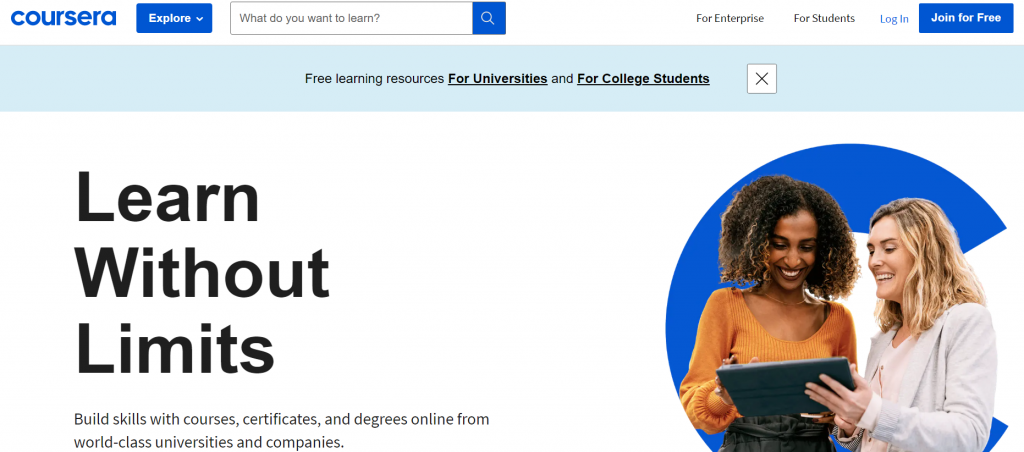
- Intuitive Navigation: Implement a clear and intuitive navigation menu. Categories like "Admissions," "Academics," "Campus Life," "Faculty," and "Contact Us" should be easily accessible.
- Responsive Design: Ensure the website is fully responsive, providing an optimal viewing experience across all devices, from desktops to smartphones.
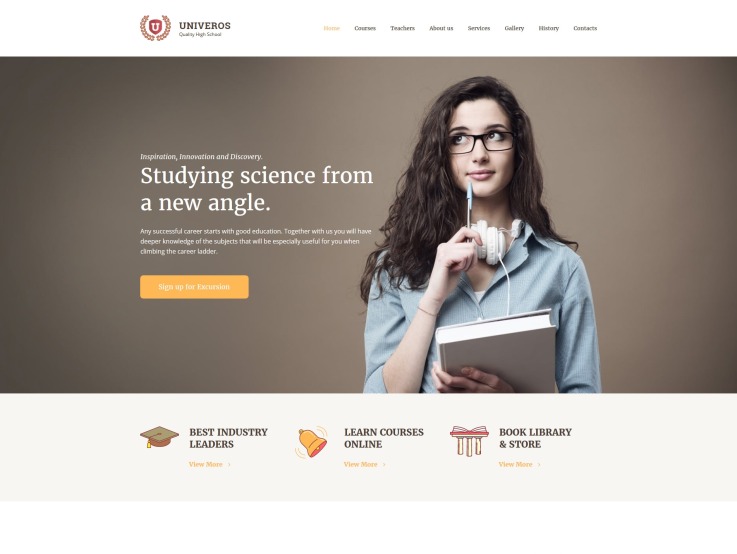
- Visual Appeal: Use a clean, modern design with high-quality images and videos that reflect the institution's culture and environment.
2. Comprehensive Information
An educational institution’s website must provide comprehensive and up-to-date information. This includes:
- Academic Programs: Detailed descriptions of courses, degrees, and extracurricular activities.
- Admissions: Clear guidelines on the admissions process, including requirements, deadlines, and application forms.
- Faculty Profiles: Information about faculty members, their qualifications, and their contributions to the institution.
- Campus Life: Insights into campus facilities, events, student organizations, and support services.
3. Interactive Features
Interactive features enhance user engagement and make the website more than just a static information portal. Consider incorporating:
- Virtual Tours: Offer virtual tours of the campus to prospective students who can't visit in person.
- Online Applications: Simplify the admissions process with online application forms and document uploads.
- Discussion Forums: Create forums where students and faculty can discuss topics, share resources, and collaborate on projects.
4. Content Management System (CMS)
A robust CMS is crucial for maintaining and updating the website efficiently. It allows administrators to:
- Update Content Easily: Regularly update news, events, and announcements without needing extensive technical knowledge.
- Manage Media: Organize and manage images, videos, and documents to ensure the website remains dynamic and engaging.
- Track Performance: Use built-in analytics to monitor website traffic and user behavior, helping to identify areas for improvement.
5. SEO and Accessibility
Optimizing the website for search engines and ensuring accessibility for all users is essential.
- SEO Best Practices: Implement SEO best practices to improve the website's visibility on search engines. Use relevant keywords, meta tags, and alt text for images.
- Accessibility: Ensure the website is accessible to all users, including those with disabilities. Follow WCAG (Web Content Accessibility Guidelines) to create an inclusive online environment.
6. Engaging Content
Engaging content is key to capturing and retaining the attention of visitors. Consider the following types of content:
- Blog Posts: Regular blog posts about school news, educational tips, student achievements, and faculty insights.
- Student Testimonials: Share stories and testimonials from current students and alumni to build credibility and connect with prospective students.
- Multimedia Content: Use videos, podcasts, and infographics to make the content more engaging and informative.
7. Security and Privacy
Protecting user data and ensuring the website’s security is paramount.
- Secure Data Handling: Implement secure protocols for handling personal data, especially for online applications and forms.
- Privacy Policies: Clearly state the website’s privacy policies and ensure compliance with relevant data protection regulations.
Conclusion
An educational institution’s website is a powerful tool that can significantly impact its reputation and success. By focusing on user-centric design, comprehensive information, interactive features, a robust CMS, SEO and accessibility, engaging content, and security, institutions can create a website that not only attracts and retains students but also fosters a vibrant online community. Investing in a stellar website is an investment in the institution's future, ensuring it stands out in the competitive landscape of education.